Media & Film
The Ambassador: the reality show that predicted the future
In 2004, at the height of the Second Intifada, Israeli prime-time television held a competition to find not the next pop star, but the country's next ambassador. It predicted a world where every Israeli would become one.
Endemol / Kuperman
In the winter of 2004, Israeli television did something extraordinary. While the rest of the world was asking who could sing best, survive on a deserted island, or become the next apprentice, Israel asked a very different question: who could best represent the State of Israel?
Facts matter, but trust and emotion matter more. Public diplomacy is not about winning arguments. It is about winning hearts.
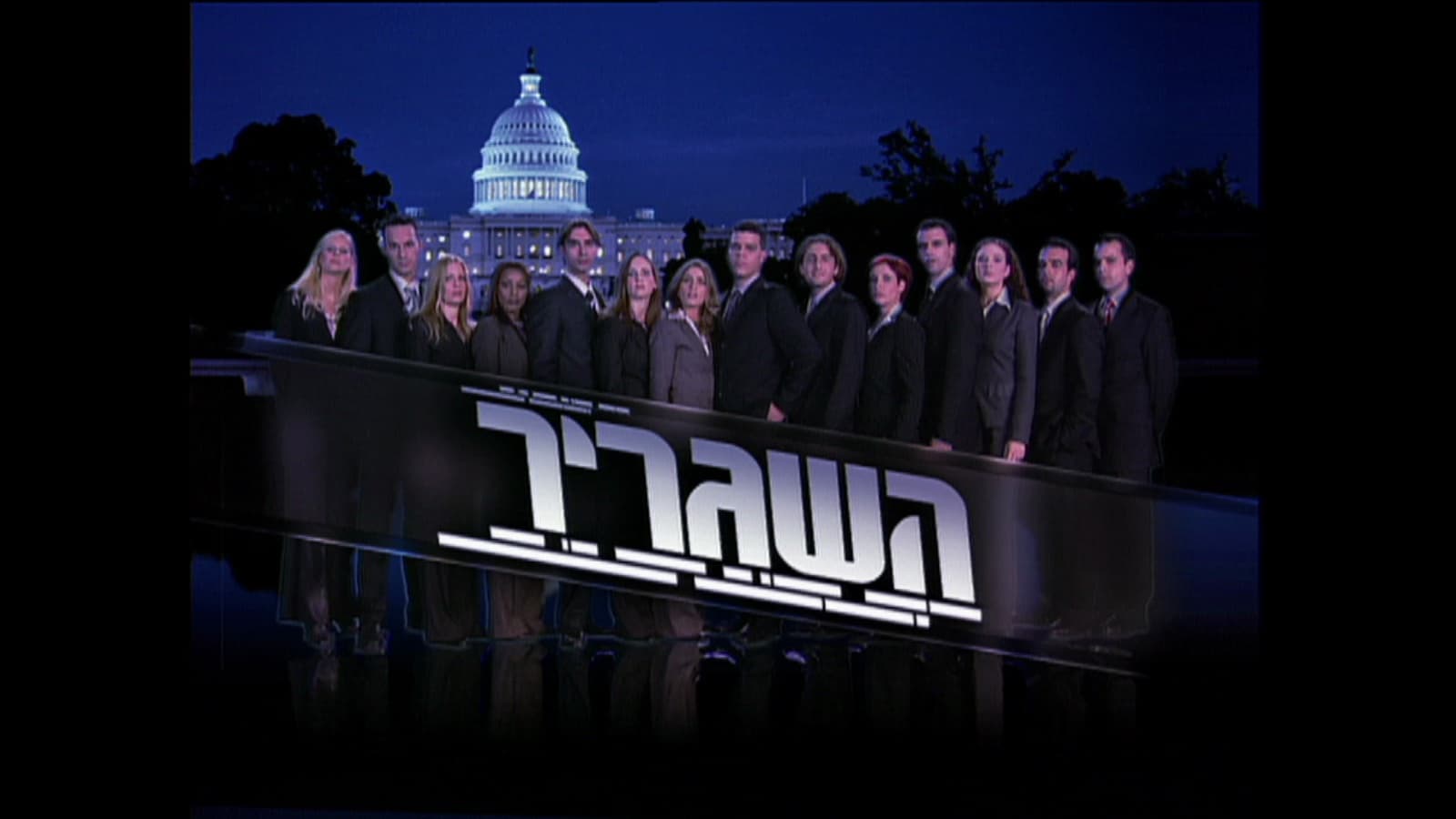
The premise was deceptively simple. Instead of searching for Israel's next pop star, the country would search for its next ambassador. The result was The Ambassador (HaShagrir), a prime-time reality series that turned public diplomacy into one of the country's biggest television events. Millions tuned in every week to watch contestants compete, not for money or celebrity, but for the chance to represent Israel around the world.
A revolutionary partnership
The show was born in one of Israel's hardest public-diplomacy moments. The Second Intifada had reshaped the international conversation: images of bus bombings, military operations, and the security barrier filled global headlines, and Israelis increasingly felt their country's story was being told by others, and told unfairly.
At the same time, reality television was remaking entertainment everywhere. At Keshet, one of Israel's leading broadcasters, executives began asking whether the genre could do something larger than crown the next singer: a competition to find Israel's next great ambassador. To bring it to life, they found the ideal partner in Israel at Heart.
A young, unconventional organization, Israel at Heart challenged the usual assumptions of public diplomacy. When most governments treated diplomacy as the exclusive domain of embassies and official spokespeople, it argued something radical: people trust people. It had already shown as much through delegations of students, musicians, athletes, and many others who carried the different faces of Israeli society. When Keshet approached Joey Low to co-produce the show, his answer was immediate. There was no better way, he believed, to show Israelis that they themselves could be the country's most effective ambassadors, simply by sharing their own experience and speaking honestly.
Today that idea feels obvious. In 2004 it was revolutionary. The Ambassador became the first television program anywhere built around it, and one of the highest-rated shows in Israeli history, reaching almost a 50% audience share for its final episode.

The toughest competition on television
Unlike most reality shows, The Ambassador was never about eliminating contestants through personal drama or manufactured conflict. Its challenges came from the real world.
It ran for two seasons, in 2004 and 2005. Each began with fourteen contestants, seven women and seven men, and eliminated one a week by the judges' decision. They debated Israel before skeptical audiences at Cambridge University. They went to France to sell holidays in Israel to Parisians on the street. They sat for demanding media interviews, built advertising campaigns, and discussed the day's hardest questions with world leaders.
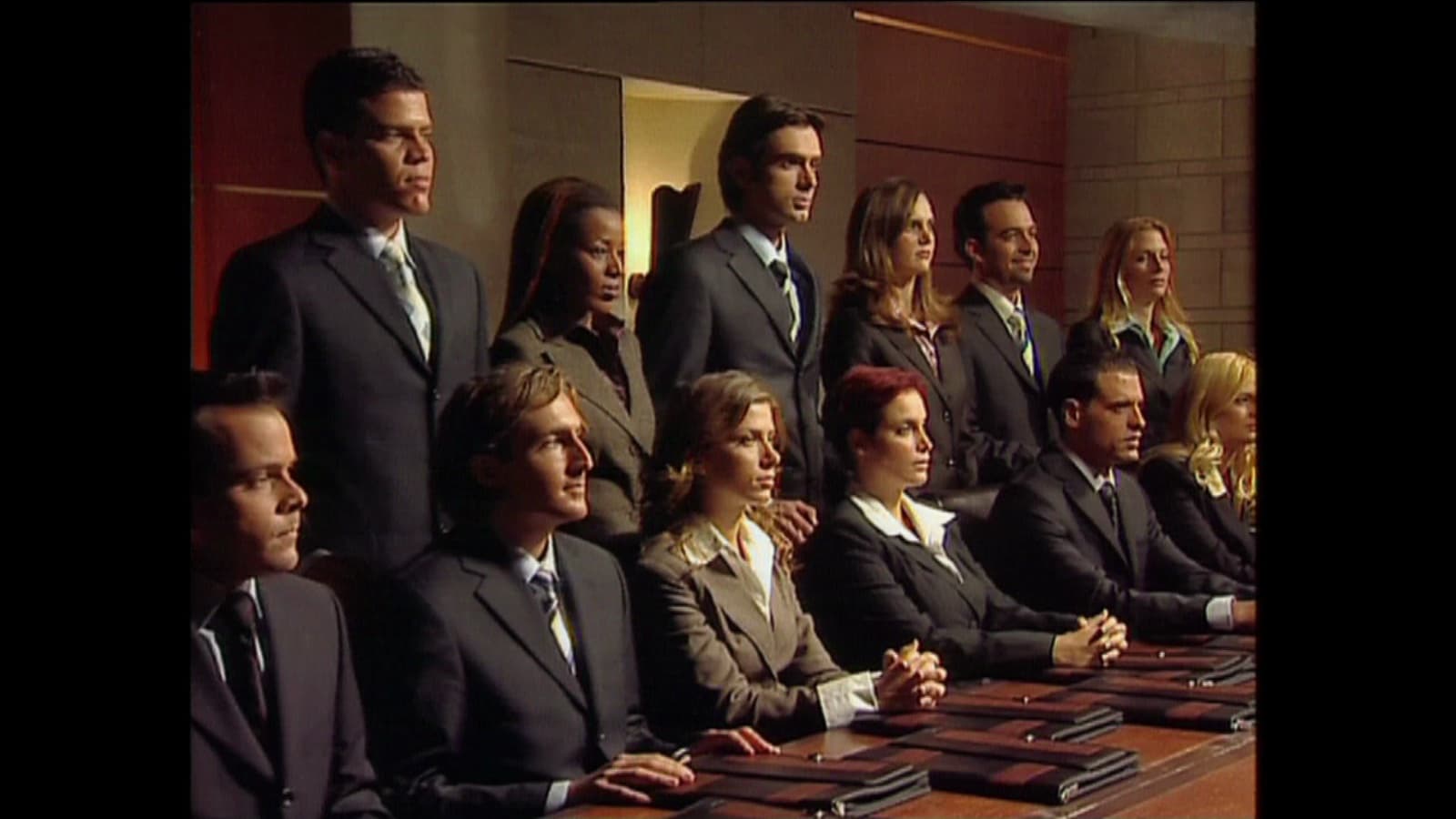
None of it was scripted. Contestants had to think on their feet, acknowledge complexity, answer criticism, and stay composed under real pressure. The show grasped something that would only grow clearer in the years ahead.
Judges who raised the stakes
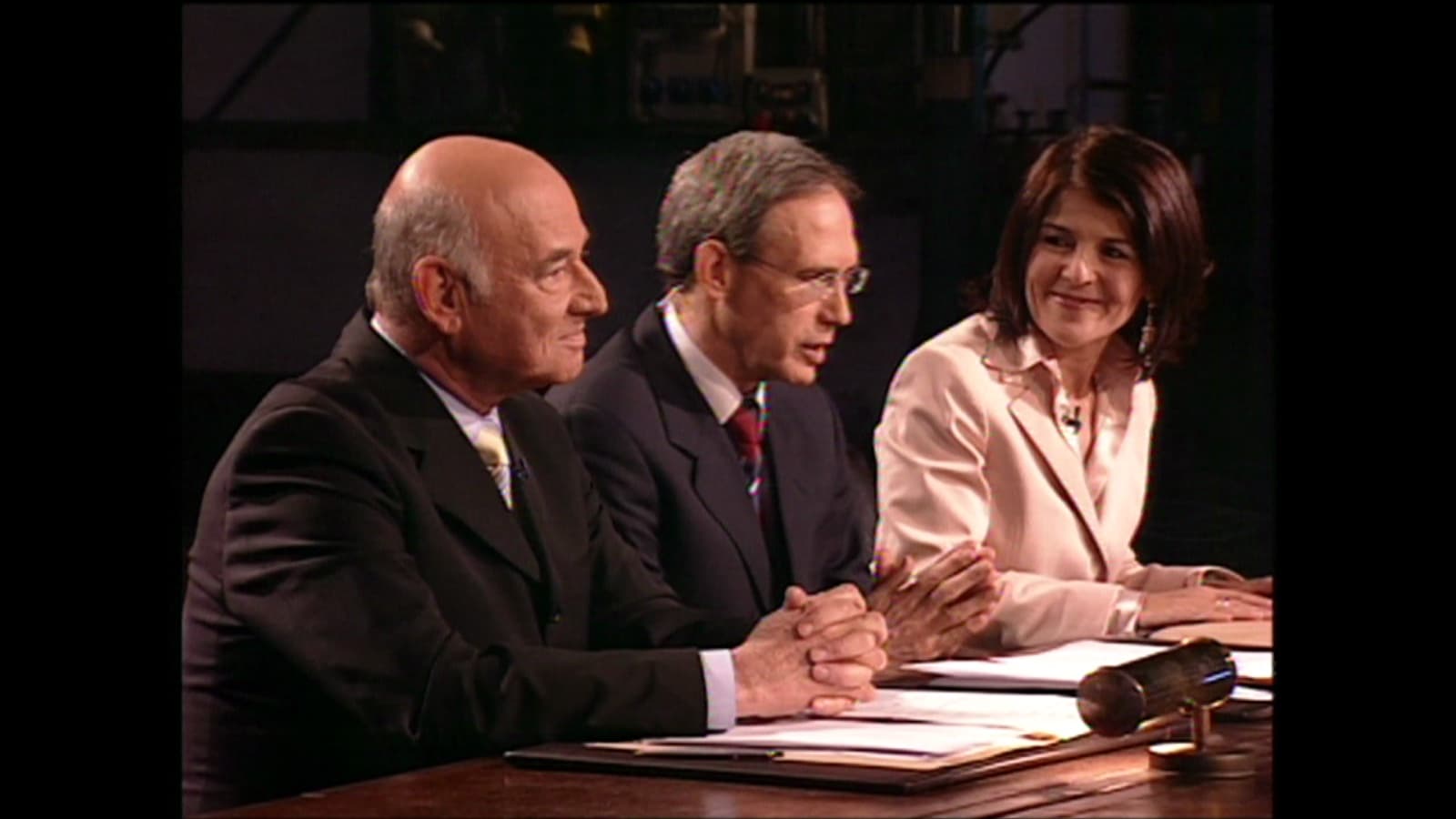
The show's credibility rested on an exceptional panel whose combined experience reflected the many sides of representing Israel. Season one brought together Nachman Shai, one of Israel's best-known communicators and a former IDF Spokesperson; Rina Matzliah, among the country's most respected political journalists; and Yaakov Peri, a former director of the Shin Bet. For the second season, former Air Force combat pilot Brigadier General (Res.) Gil Regev joined them. Together they weighed composure under pressure, intellectual honesty, leadership, creativity, and the ability to reach people who might fundamentally disagree.
The winners
Unlike almost every other reality show, The Ambassador did not end in fame. It began with responsibility. The winner became a full-time Israel at Heart activist, representing Israel before universities, Jewish communities, civic organizations, churches, media outlets, and public audiences across the United States, Europe, and Australia.
The first season was won by Eytan Schwartz, who moved to New York to join Israel at Heart's growing work and engage audiences across North America. The second crowned Melody Sucharewicz, whose multilingual background and international outlook reflected the diversity of modern Israel and the increasingly global nature of public diplomacy.

The world was watching
The experiment drew attention well beyond Israel. Major international outlets covered the show as a novel idea: a country auditioning its own citizens to speak for it, and treating persuasion as a craft worth competing over.
In the international press
Twenty years ahead of its time
The year The Ambassador first aired, Facebook had only just launched to connect Mark Zuckerberg's college friends. Twitter, Instagram, and TikTok were still years away, and public diplomacy still belonged largely to governments, embassies, and official spokespeople.
That world is gone. Today every student abroad, every founder pitching a startup, every scientist presenting research, every athlete competing, and every traveler posting online helps shape how Israel is seen. Every Israeli has, in some sense, become an ambassador. The central premise of The Ambassador has only grown more true.