Media & Film
Screams Before Silence: the documentary that helped the world listen
In the year after October 7, 2023, a film set out to preserve the testimony of sexual violence that much of the world was slow to hear. Led by Sheryl Sandberg and supported by Israel at Heart, it traveled from the White House to more than a hundred campuses, free to watch in eighteen languages.
This story describes the documentation of sexual violence committed on October 7, 2023.
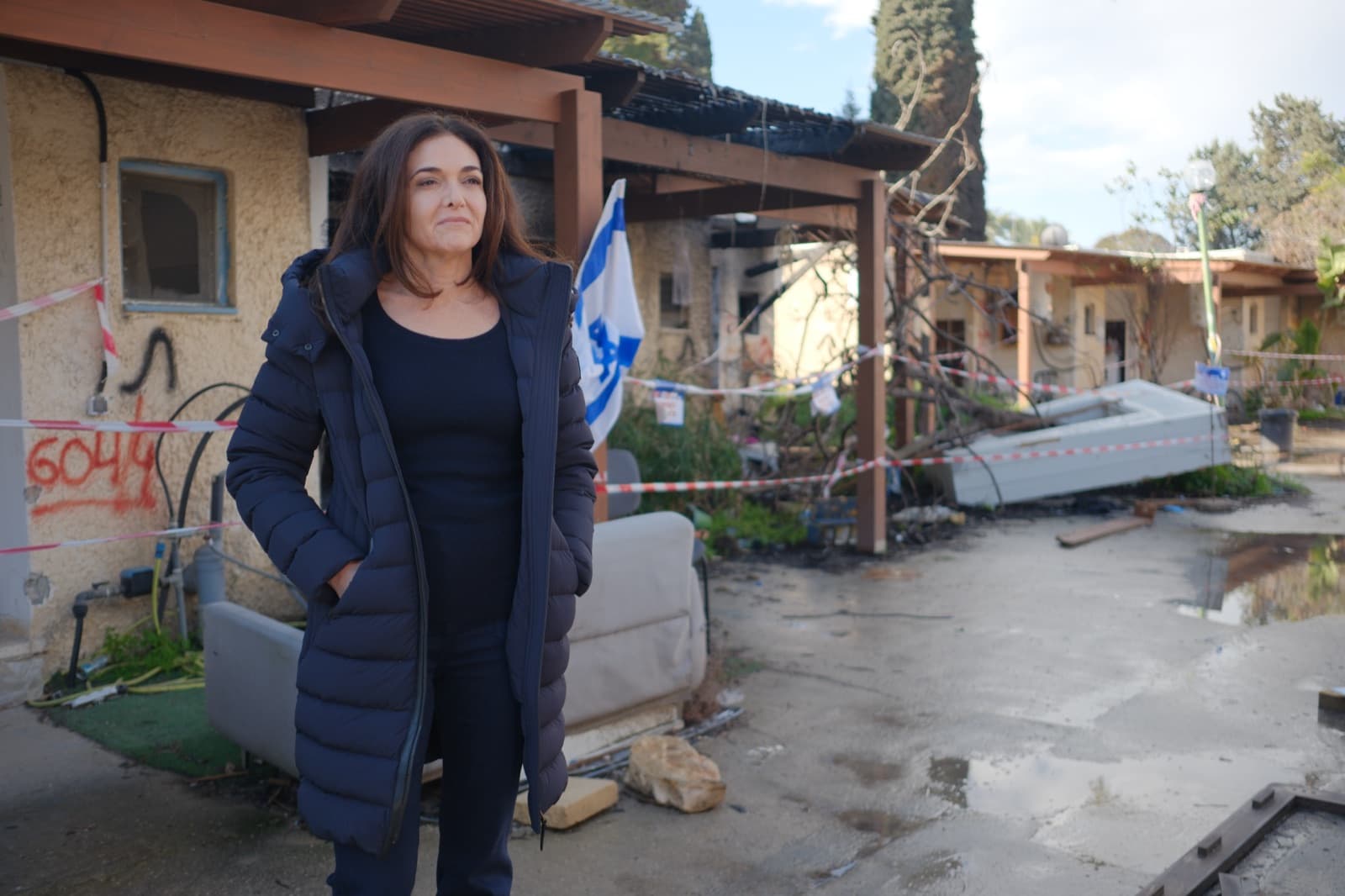
Photograph by Ran Mendelson
Some documentaries tell stories. Others preserve history. Screams Before Silence was made to do both.
In the weeks after the Hamas attacks of October 7, 2023, evidence kept emerging that sexual violence had been used as a deliberate weapon against Israeli women, men, and children. Survivors, first responders, forensic experts, and investigators described patterns that pointed not to isolated acts but to widespread and systematic crimes.
Yet many felt the testimony was not receiving the attention it demanded. Some organizations and leaders spoke out at once; others responded cautiously, skeptically, and only after long delay. A number of organizations and experts set out to deny, minimize, or cast doubt on the evidence. It was against that backdrop that Screams Before Silence was conceived: an effort to document testimony, preserve evidence, and let these accounts be heard directly, around the world.
Poster photograph by Ran Mendelson
An urgent idea
The idea for the film began a few weeks following the October 7 massacre. While some international media outlets reported that sexual crimes had been committed on that day by the Hamas terrorists, it was clear that the full scope of atrocities was not receiving world attention. Survivors and witnesses deserved a platform that would carry beyond headlines and political debate, and outlast the news cycle.
Carol and Joey Low understood the immediate need for such a platform. And thus, when they were approached by Meny Aviram, CEO of Kastina Communications, one of Israel's leading production companies, and Eytan Schwartz, former Israel at Heart activist, they immediately agreed to support the documentation of these crimes. Kastina had already shown it could respond fast to history, producing #NOVA, among the first documentaries released after October 7. The company had also worked the year before with Carol and Joey on The One, the series about the Yom Kippur War exactly fifty years earlier. Then Carol made a suggestion that would shape the film's global reach: ask Sheryl Sandberg to lead it.
The right voice at the right time
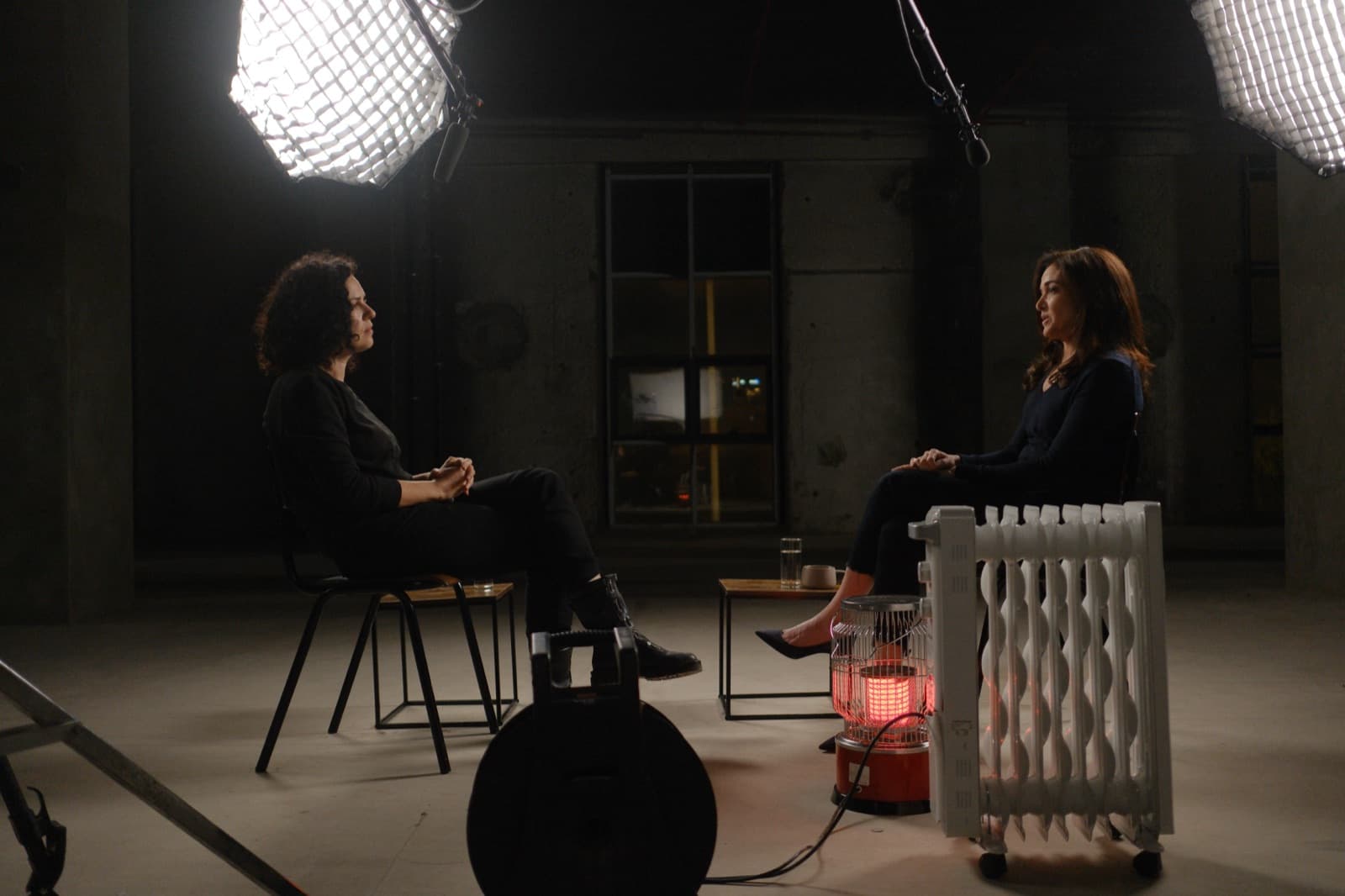
Carol's instinct proved decisive. Sheryl Sandberg, former COO of Meta and one of the most respected voices in global business, had become one of the few internationally recognized leaders speaking publicly about the gap between the mounting evidence of Hamas's sexual crimes and the hesitant response from parts of the world. A lifelong advocate for women's rights, she argued that sexual violence should never be seen through a political lens.
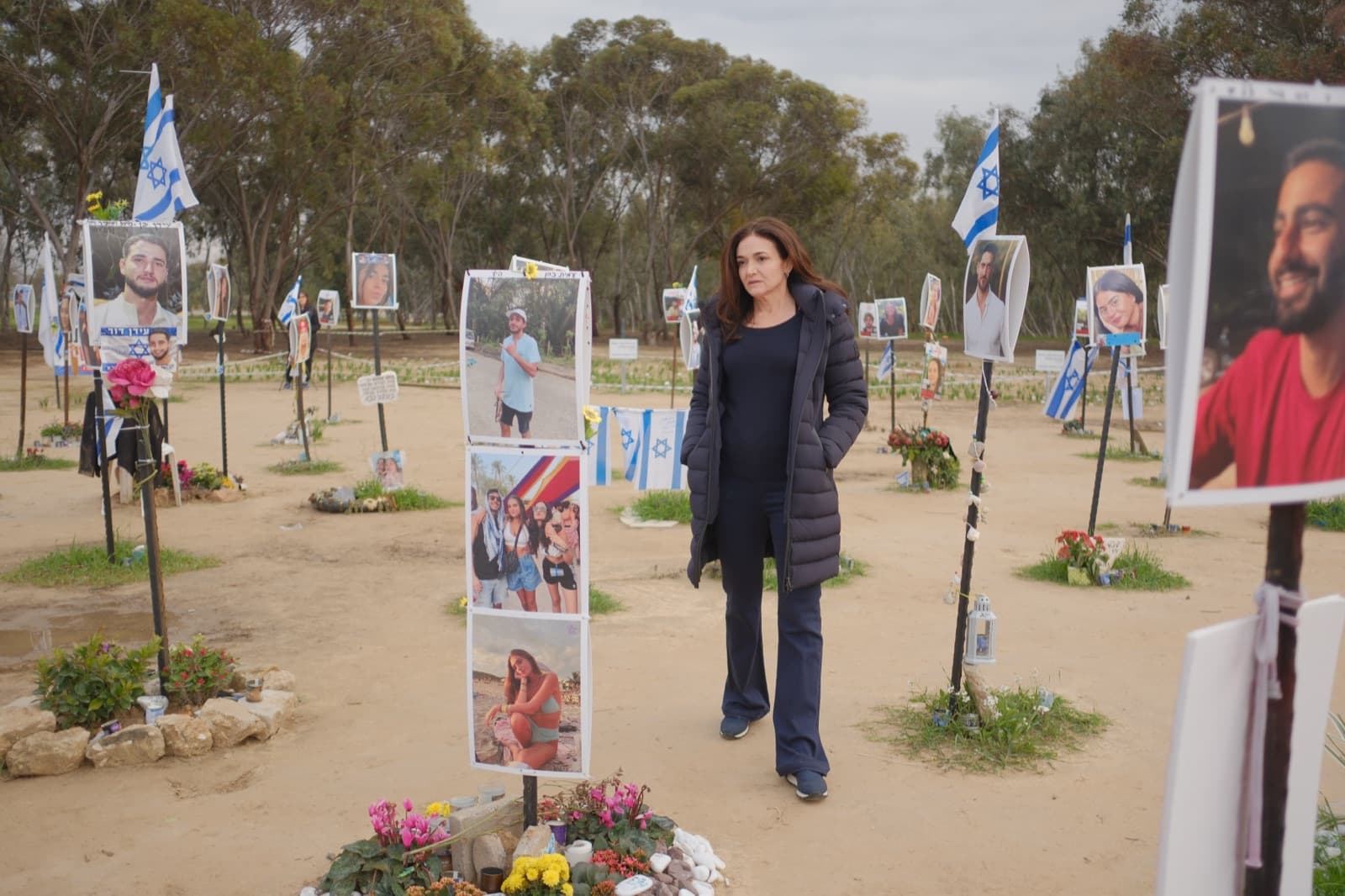
“No matter what flag you fly, no matter what you're marching for, no matter what you believe, rape is not acceptable as a tool of war. Full stop.”
Sandberg flew to Israel to interview survivors, witnesses, first responders, forensic experts, and legal authorities, lending the project not only her global profile but her credibility as one of the world's most respected voices on women's leadership. The result avoided narration driven by politics. It let eyewitnesses, survivors, and experts speak for themselves.
A film that traveled the world
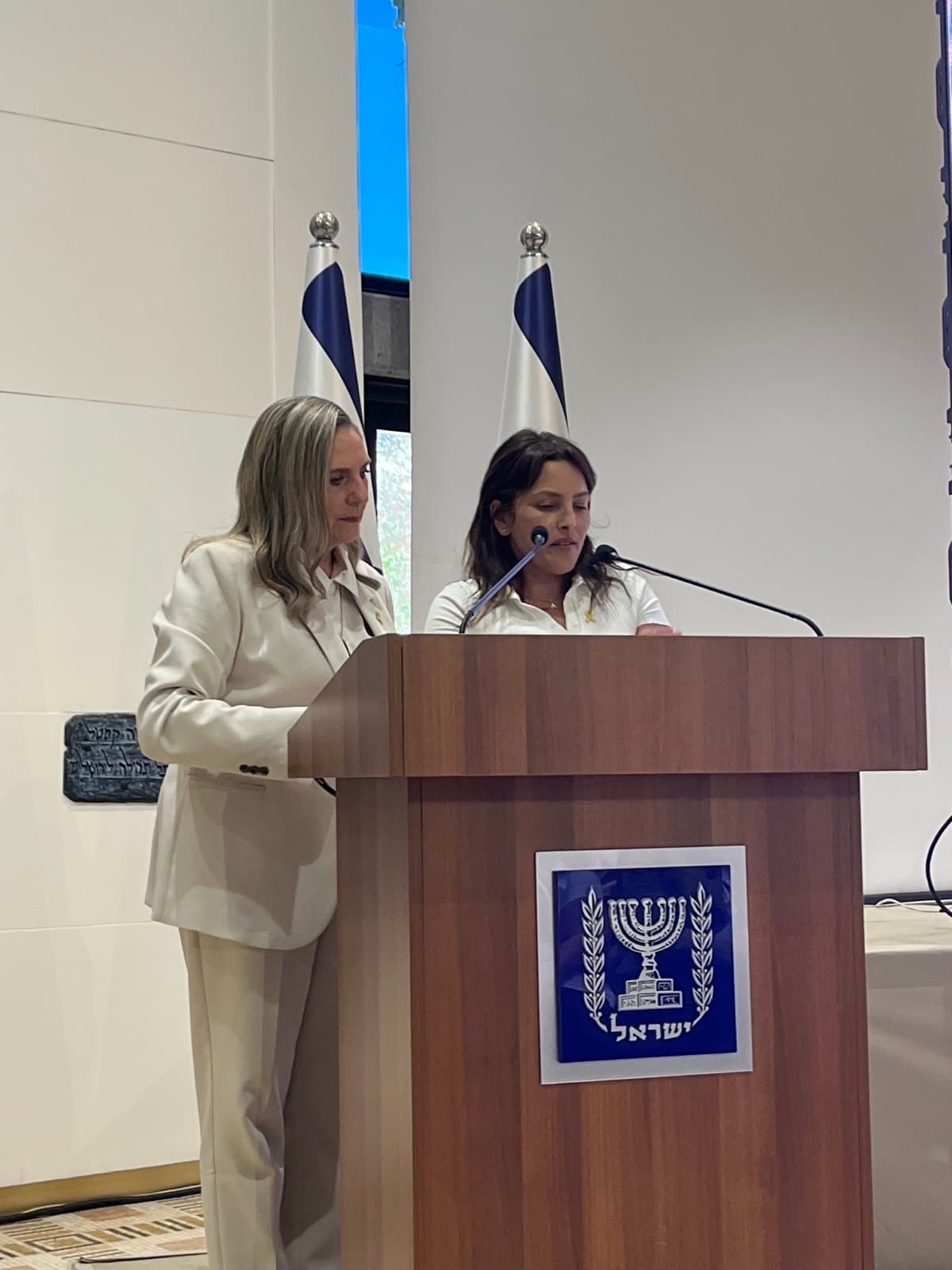
What followed exceeded even the filmmakers' expectations. The documentary premiered at the Residence of the President of Israel before diplomats and public leaders, then quickly became an international public-diplomacy effort. It was screened at the White House in an event led by Vice President Kamala Harris, at the United States Congress on a bipartisan basis, before members of several European parliaments, and in a private screening for President-elect Donald Trump.
Israeli embassies and Jewish organizations organized screenings across North America, Europe, Latin America, Asia, and Australia. Major premieres took place in New York, hosted by UJA-Federation of New York, and in Los Angeles under Sandberg's leadership. Others followed in Sydney, Melbourne, Rome, Paris, London, and Seoul.
The Israeli Ministry of Foreign Affairs folded the film into its global public-diplomacy work, while universities, Hillels, Jewish Community Centers, synagogues, and civic organizations organized hundreds more screenings. More than one hundred college campuses hosted it over the following academic year, introducing thousands of students to testimony they might otherwise never have encountered.
To make it as accessible as possible, and with the support of Carol and Joey Low, the team made the film free to watch, always. Screams Before Silence was translated into eighteen languages, from Hebrew and English to Mandarin, Korean, Georgian, and Arabic, and posted on YouTube. It was also broadcast on television in the United States, Israel, Italy, Sweden, Norway, Bulgaria, Cyprus, Albania, and across Latin America.
From officials to public conversation
The film's reach went well beyond official rooms. A targeted digital campaign put it in front of more than fifty million Americans, and public figures across the political and cultural spectrum shared clips and reactions, among them Hillary Clinton, Donald Trump, David Schwimmer, Amy Schumer, Van Jones, Debra Messing, Bari Weiss, Senator Chuck Schumer, Senator Kirsten Gillibrand, Ambassador Deborah Lipstadt, Mayim Bialik, and Arianna Huffington.
“The testimony is clear and overpowering, and many of these accounts had scarcely been heard about outside Israel.”
The Wrap called the film immensely powerful, while advising viewers to prepare for difficult testimony. Sandberg has called it the most important work of her life.
In the press
- Sheryl Sandberg's new documentary: Hamas & sexual violenceCNN
- Sheryl Sandberg is on a mission to make sure Oct. 7 horrors aren't forgottenThe Wall Street Journal
- Sheryl Sandberg fronting Israeli documentary about sexual atrocities committed by Hamas on October 7Deadline
- Sheryl Sandberg screens 10/7 sexual violence documentary on Capitol HillJewish Insider
Beyond the documentary
At its heart, the film set out to establish something human before it was political. The deliberate use of sexual violence against civilians is a war crime. It cannot be justified by ideology, excused as resistance, or set aside for politics. Whatever one's view of the broader conflict, these crimes demanded recognition on their own terms.
By documenting survivors, witnesses, investigators, and medical professionals, the film helped ensure that this testimony would enter the historical record. It also helped audiences understand an essential reality of October 7: that this was not a military operation but the deliberate targeting of civilians with extraordinary brutality, including the systematic use of sexual violence.
For Israel at Heart, the project reflected a principle that has guided the organization since its founding: public diplomacy is, in the end, about people. Sometimes that means sending young Israelis abroad to build relationships. Sometimes it means creating conversations across cultures. And sometimes, when history demands it, it means helping preserve testimony, so that future generations will never have to ask whether the world knew.
Watch the full film
Screams Before Silence is free to watch in full, in eighteen languages. It runs under an hour.
Poster photograph by Ran Mendelson