Leadership
Opening doors: Israel at Heart and a generation of Ethiopian-Israeli leaders
From the first delegations, every Israel at Heart group included an Israeli of Ethiopian origin. What began as representation grew into a fellowship, a summer internship program in the United States, and a generation of professionals who speak for themselves.
By Batia Eyob-Serrette
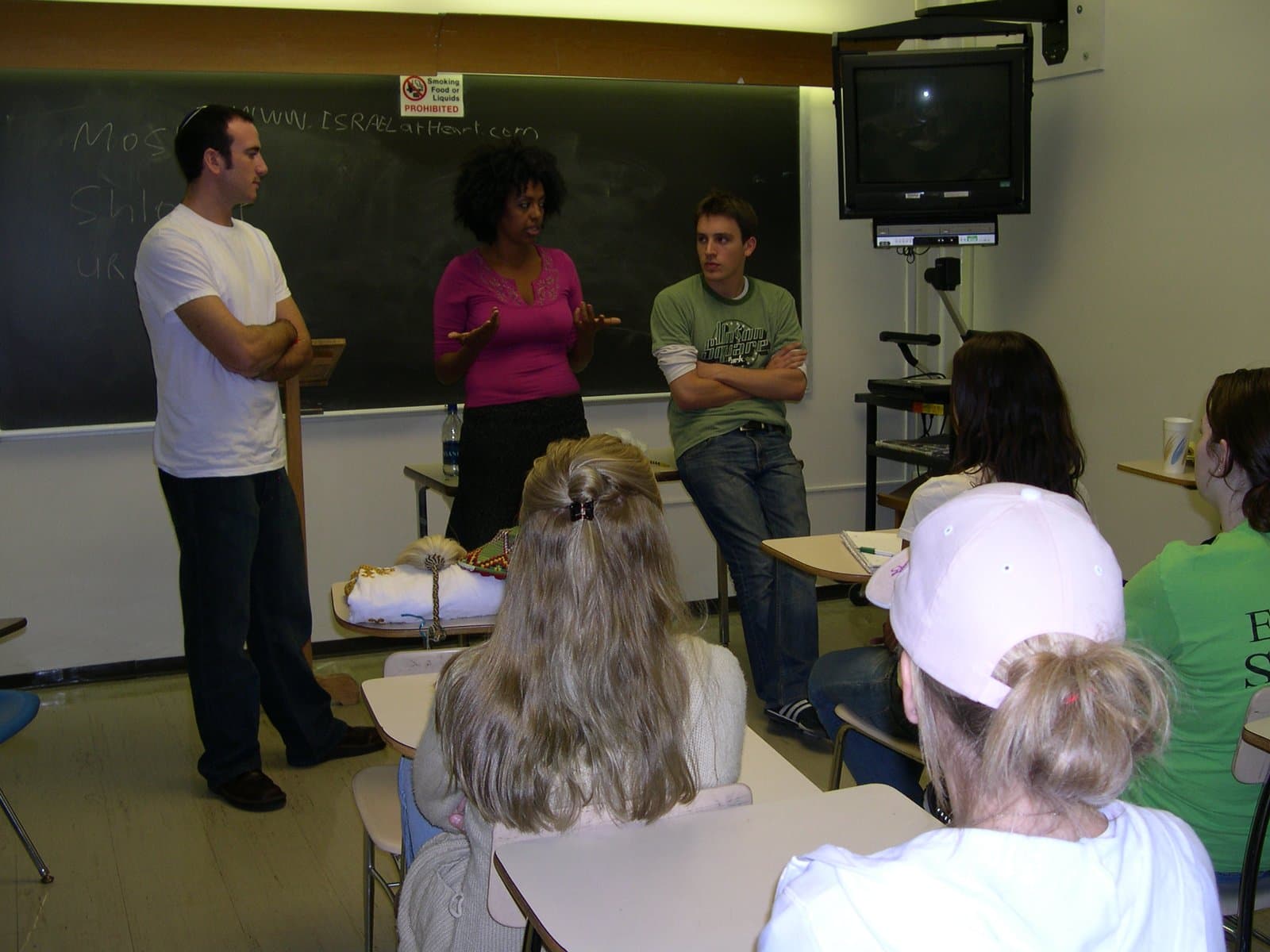
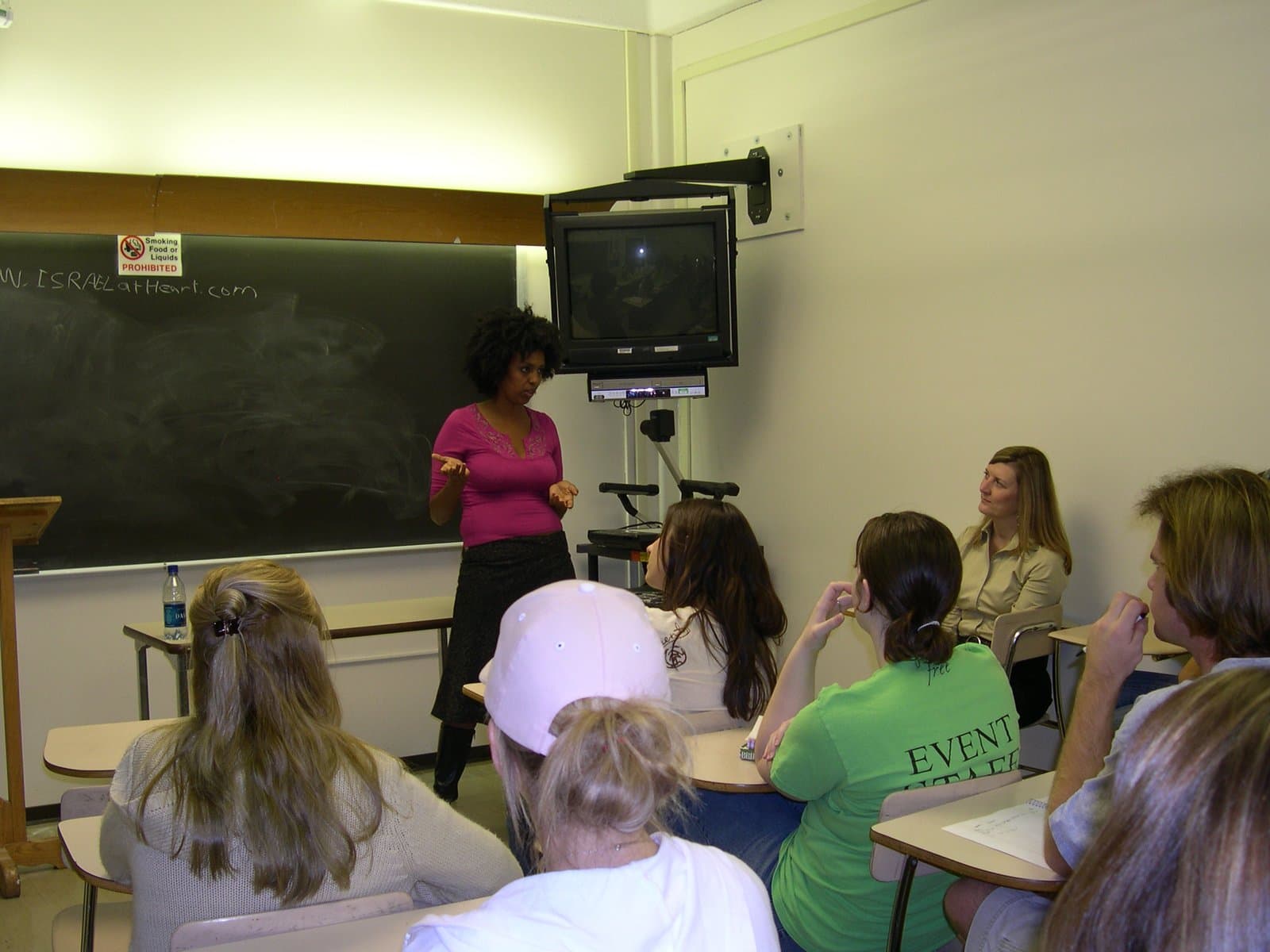
Israel at Heart's first project was bringing Israeli university students abroad to introduce international audiences to the human story of Israel. The students spoke about the subjects that shaped their everyday lives: family, education, religion, military service, food, music, television, politics, immigration, race, and their hopes for the future. The goal was not to suggest that all Israelis thought alike. It was to show the opposite.
Representation by design
Long before diversity, equity, and inclusion became widely used language, Israel at Heart believed that Israel should be represented in its full complexity, and that students from different backgrounds should experience what it meant to belong to the same community.
Each delegation group included three students intentionally selected from different parts of Israeli society. They reflected different religious and political perspectives, socioeconomic backgrounds, genders, and immigrant experiences. Every group included at least one Israeli of Ethiopian origin.
This was not diversity as decoration. There was no single student who could represent all of Israel, just as no Ethiopian-Israeli participant could be expected to represent an entire community.
Instead, the structure made diversity part of the encounter. International audiences met Israelis who disagreed with one another, came from different families and histories, and still traveled and spoke together. The students themselves lived that experience as they shared rooms, meals, long drives, public programs, and difficult questions.
For Ethiopian-Israeli students, inclusion in every group carried an additional meaning. They were present in the Israeli story from the beginning, not added later as a special topic and not asked to speak only about the Ethiopian-Israeli experience.
What the students taught us
Through ongoing relationships with Ethiopian-Israeli participants, Israel at Heart began to understand the gap between ability and opportunity.
The community had made remarkable educational and professional progress within a relatively short period of immigration and social change. Ethiopian Israelis were entering universities and preparing for careers in law, government, diplomacy, education, business, social work, the military, the arts, and public service.
Yet many students carried financial responsibilities that made higher education difficult to sustain. Some were the first members of their families to enter a university or professional field. Their families could offer encouragement and sacrifice, but they could not always provide the professional introductions, internships, and informal knowledge that helped other graduates move from a degree into a career.
Students also encountered discrimination and low expectations. Employers and institutions were not always aware of the growing number of highly educated and qualified Ethiopian-Israeli professionals. A graduate could complete the required education and remain outside the networks where opportunities were shared.
Israel at Heart came to see that meaningful support required more than one program. Students needed access at several connected stages: education, living support, mentorship, experience, networks, visibility, and leadership.
A fellowship built for students to succeed
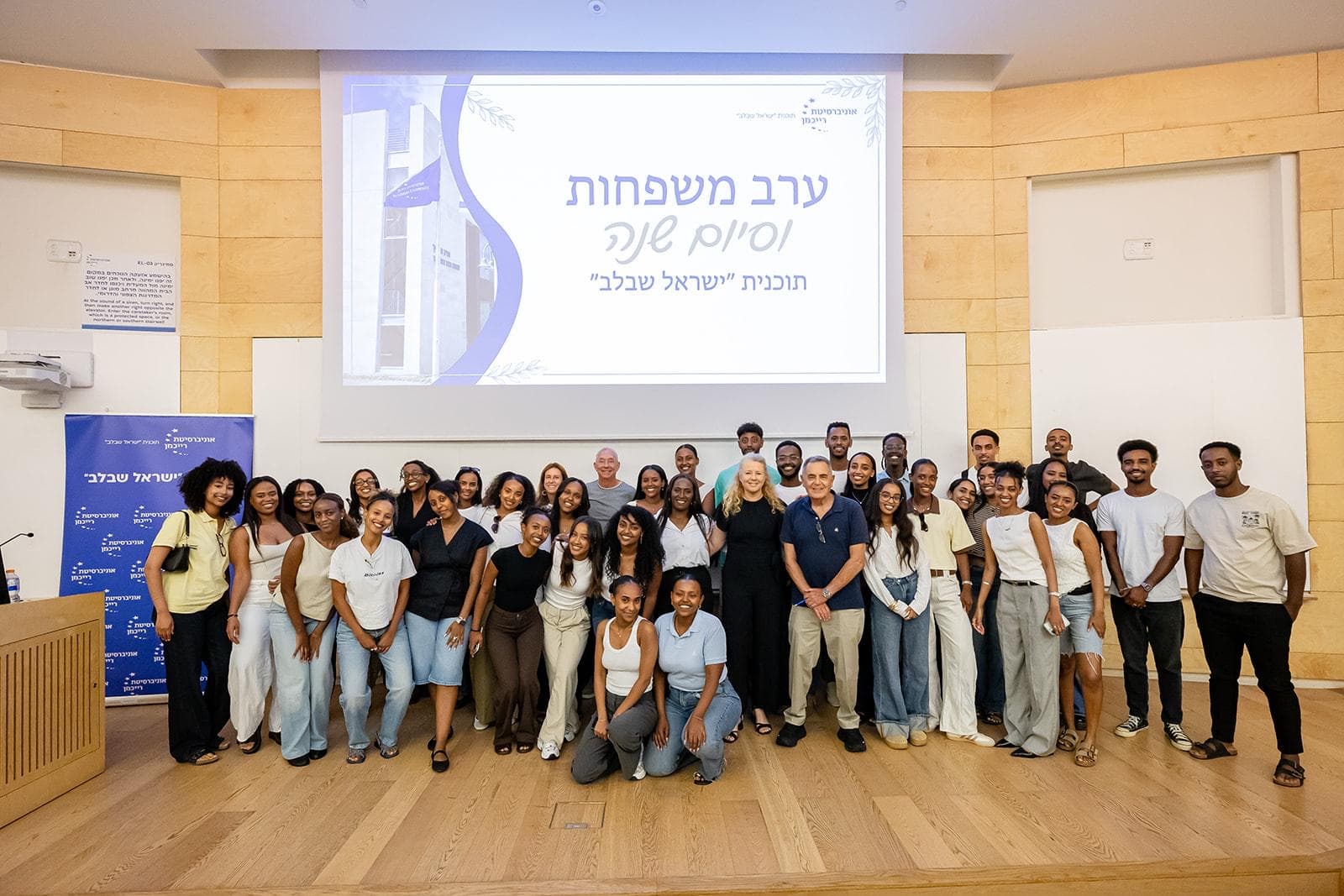
In the mid-2000s, Israel at Heart established a fellowship program at the Interdisciplinary Center Herzliya for Ethiopian-Israeli students pursuing higher education at one of Israel's leading universities. The fellowship covered full tuition and living expenses, a combination that was essential. Tuition support could open the university door, but living support helped students remain there. It gave them greater freedom to concentrate on their studies, participate in university life, and pursue the opportunities available to classmates who were not balancing the same financial pressures.
The program recognized academic promise, but its vision extended beyond individual achievement. Israel at Heart believed that Ethiopian Israelis should play an active role in every aspect of Israeli society. They should work in professions serving the broader public, participate in national conversations, and be recognized not only as commentators on Ethiopian-Israeli issues but as leaders addressing the concerns of all Israelis.
The fellowship was therefore an investment in a generation. Each student who advanced could become a professional, mentor, advocate, employer, and example for those who followed.
Internships that led somewhere
As fellowship students completed their degrees, a second challenge emerged.
Many graduates struggled to find employment that matched their education. The difficulty was not simply a shortage of qualifications. Professional life often depends on networks: someone who recommends a student for an internship, explains how an industry works, reviews a résumé, makes an introduction, or encourages an employer to look beyond familiar candidates.
Many Ethiopian-Israeli graduates did not inherit those networks. Their parents had built new lives in Israel under enormously demanding circumstances and often could not provide access to professional fields they had never had the opportunity to enter themselves.
Israel at Heart's response was not to lower expectations or redirect graduates toward less ambitious goals. It was to build the missing bridge between education and professional life. Israel at Heart thus developed a pioneering summer internship program in the United States for Ethiopian-Israeli students and graduates. The program was designed to provide practical experience, international exposure, professional relationships, and a platform from which participants could introduce themselves and their community to American audiences.
Students were placed with major institutions and organizations, including:
- The Manhattan District Attorney's Office
- The Museum of Jewish Heritage
- The NBA Players Association
- The United States Holocaust Memorial Museum, Washington, D.C.
- Kenneth Cole's marketing department
- Viacom
- Hillary Clinton's presidential campaign
- Financial firms and hedge funds
- A New York real-estate company
These were not observational visits. The students entered professional environments, contributed to real work, and learned how institutions operated. They developed confidence and relationships while building résumés that reflected substantive experience.
The internships also allowed employers and professional leaders to encounter Ethiopian Israelis directly. Participants were not abstract examples of a social challenge. They were capable young colleagues with knowledge, judgment, and ambition.
Israel at Heart's early program records reported that nearly every graduate from the first internship group went on to secure a professional position in Israel.
“The experience demonstrated that when access changed, outcomes changed.”
Not speaking for the community
One of the most important principles in the work was the distinction between amplifying a community and speaking for it.
Israel at Heart did not position itself as the authority on Ethiopian-Israeli life. Its role was to create opportunities, provide resources, prepare participants, and open institutions and networks that had often been inaccessible. The students and professionals provided the voice.
That principle allowed the work to address discrimination without reducing people to discrimination. Participants could speak about racism and unequal opportunity while also discussing law, diplomacy, business, education, culture, politics, and the future of Israel. They could honor Ethiopian Jewish heritage without being confined to it. They could represent their community and still be recognized as individuals.
They were not symbols of diversity. They were contributors to Israeli society and partners in shaping how Israel was understood abroad.