
Media & Film
How we told Israel at Heart's story
Twenty years ago, before social media, Israel at Heart earned its way into newspapers across Europe and Israel with a story that needed no spin: three young Israelis, campus to campus, being themselves.
By Gadi Veinrib
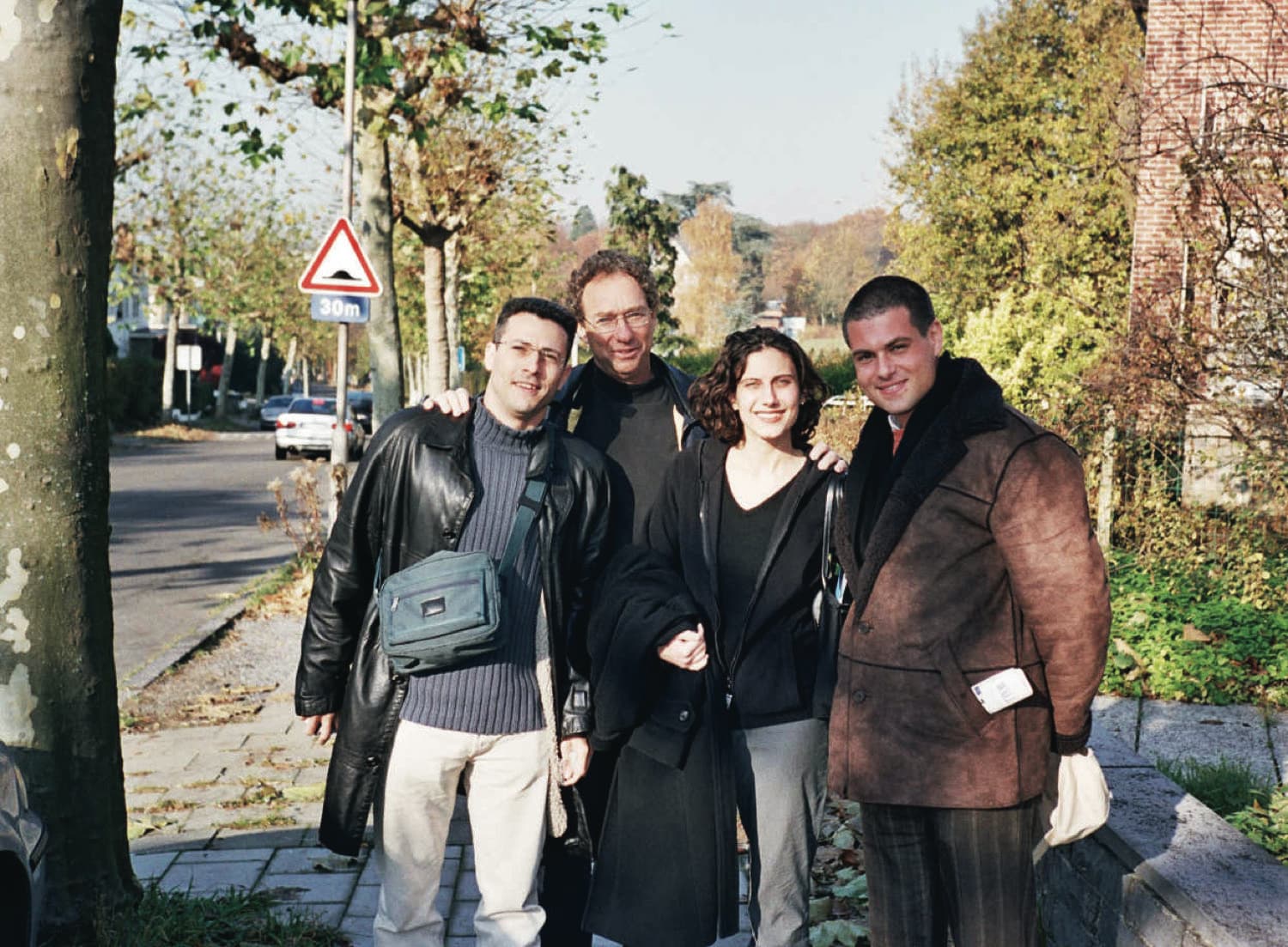
Twenty years ago, telling Israel's story to the world was very different from today.
There was no Facebook, Instagram, YouTube, or TikTok. There were no influencers or podcasts. Traditional media shaped public opinion, and if you wanted people to hear your message, you had to earn your way into newspapers, television, and radio.
At the same time, Israel was facing one of its many difficult chapters. The country struggled, as it often has, to explain itself beyond the headlines. Most conversations about Israel were dominated by politics, conflict, and diplomacy. Israel at Heart offered something entirely different.
When he founded Israel at Heart, Joey Low never set out to build a media campaign. In fact, he was probably one of the toughest “clients” anyone in communications could ask for. He cared very little about recognition, awards, or headlines. Joey's focus was always on one thing: the mission. He believed Israel at Heart should remain independent, owe nothing to anyone, and continue doing what it believed was right.
So when we started talking to journalists, our job wasn't to invent a story that would make headlines. It was to recognize that the story already existed.
The message we brought to journalists was remarkably simple: three young Israelis traveling from campus to campus and community to community, sharing their personal stories. No complicated strategy. No political talking points. Just people meeting people.
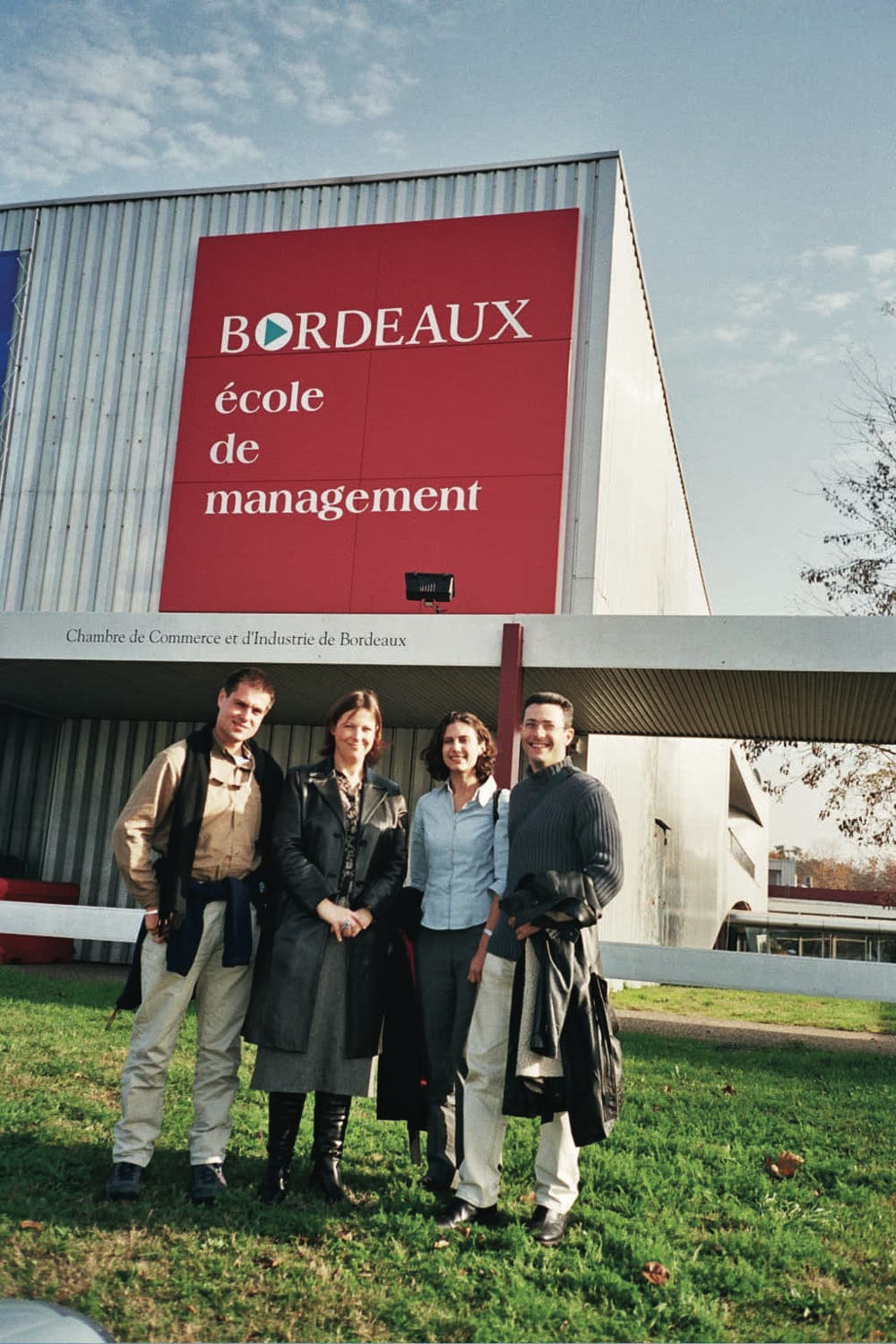
“That simplicity became our greatest strength.”
There was another element that made the story resonate. Twenty years ago, it was still unusual to see one person take a simple idea and turn it into a movement. Today we call it entrepreneurship. Back then, it simply wasn't something people saw every day. Joey believed something could be done differently and quietly made it happen. That resonated because it wasn't about a large organization or a government initiative. It was one person who simply decided to act.
The timing also mattered.
At the time, Israelis were almost obsessed with what was widely called hasbara, the feeling that Israel was constantly failing to explain itself to the world. Public debate focused on government spokespeople, diplomats, and official campaigns. Israel at Heart presented a completely different approach. Instead of asking who should speak for Israel, we put ordinary young Israelis at the center. They weren't polished spokespersons. They were the faces of all of us, students who could tell their own stories, answer difficult questions honestly, and represent the country simply by being themselves. That was an idea the Israeli public immediately understood.

We learned very quickly that every time we tried to make the story sound bigger or more sophisticated, it became less compelling. The closer we stayed to the original idea, the more journalists wanted to cover it. The story wasn't about an organization or a communications strategy. It was about people.
From the beginning, we also believed that telling Israel's story abroad was only half the mission. Israelis themselves needed to know that someone was investing time, energy, and hope in improving how the country was perceived, one conversation at a time.
That is why we worked just as hard to generate coverage inside Israel.
One of our earliest and most important partners was Ynet, where I was working at the time. Together with Atilla, one of its leading correspondents, they immediately understood what made Israel at Heart different. Like Joey, they focused on the people rather than the politics. The coverage was never about publicity. It was about the mission.
Looking back, many of the communications lessons we learned still hold true, despite how dramatically the media landscape has changed.
The tools are different. Today, anyone can publish a story with the tap of a screen. But people still respond to the same things they did twenty years ago: authenticity, purpose, and genuine human connection.
That was the real lesson of Israel at Heart. We didn't try to manufacture a story. We simply found one that was worth telling.