Sports Diplomacy
Building community through sport
For thousands of African asylum seekers in Israel, soccer has become far more than a game. Israel at Heart backs refugee teams from across Africa with uniforms, equipment, and fields, so the game can build belonging.
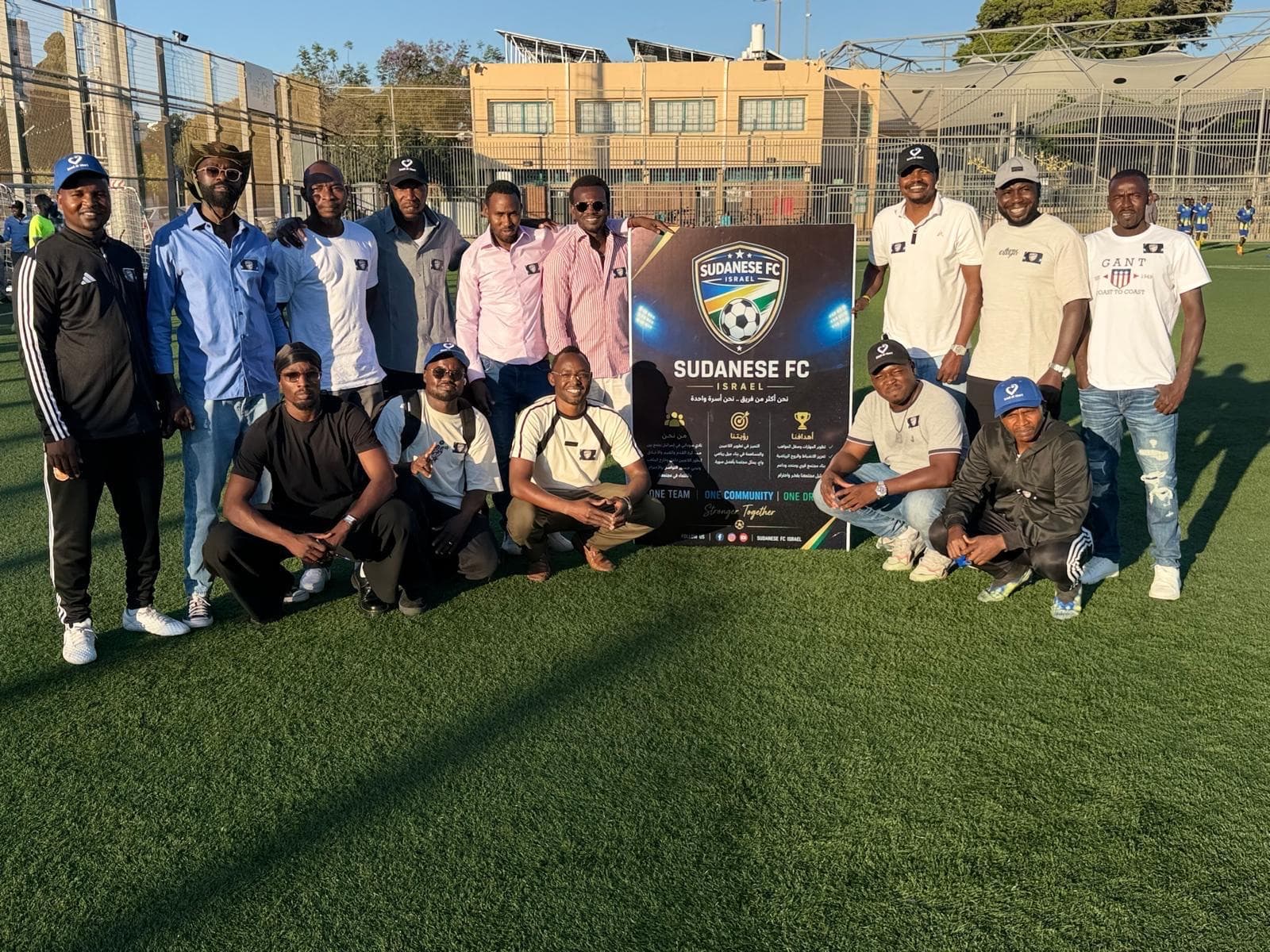
For thousands of African asylum seekers living in Israel, soccer has become much more than a game. It is a source of community, dignity, and belonging.
Israel at Heart has proudly supported refugee teams representing countries across Africa, providing uniforms, equipment, access to playing fields, and logistical assistance, in the belief that sport can build confidence, friendship, and hope.
The initiative reflects a belief rooted in Jewish history and values: a people who have known displacement across much of their own history carry a responsibility to extend compassion to those seeking refuge among them.
The first African Solidarity Cup
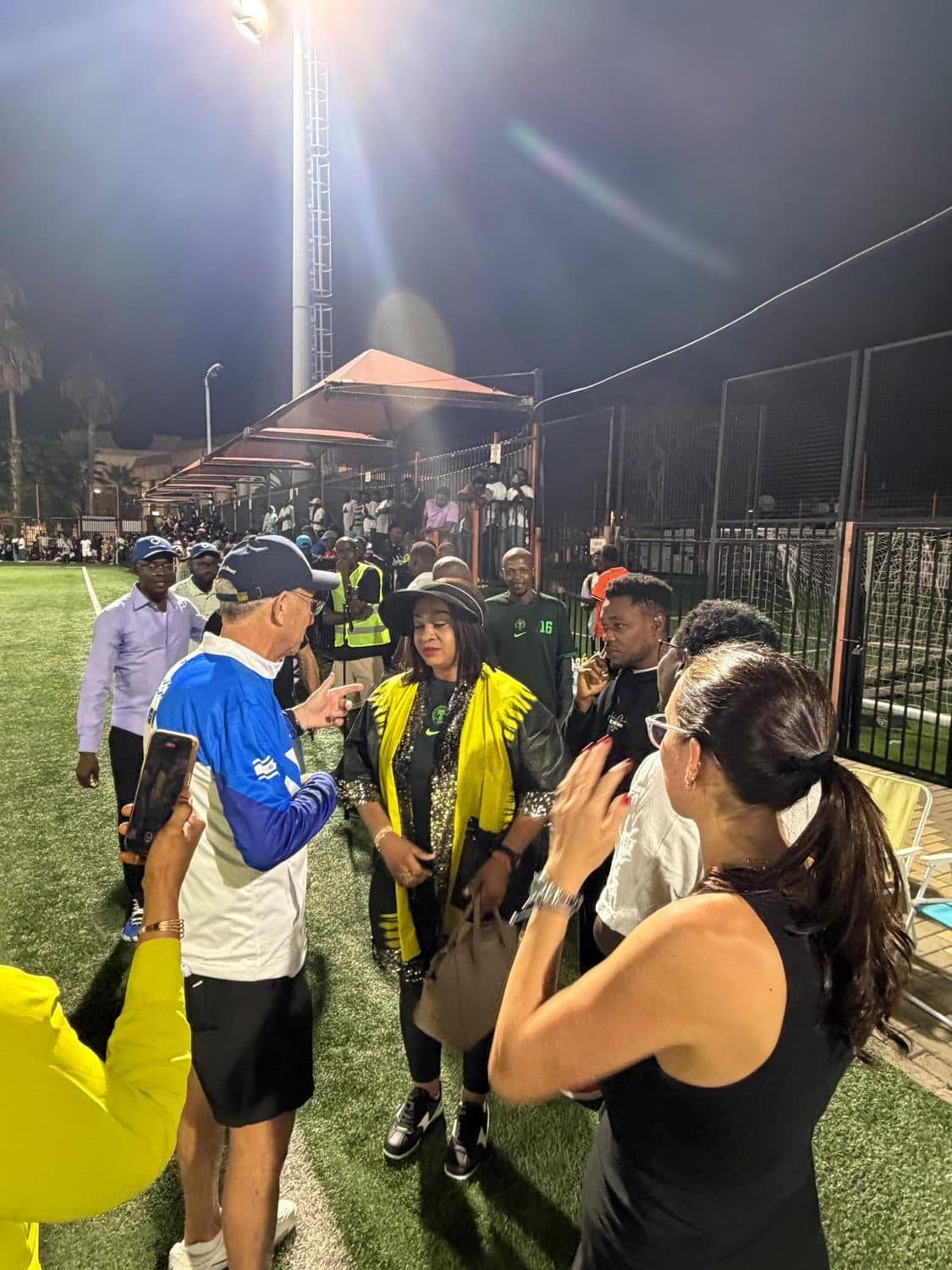
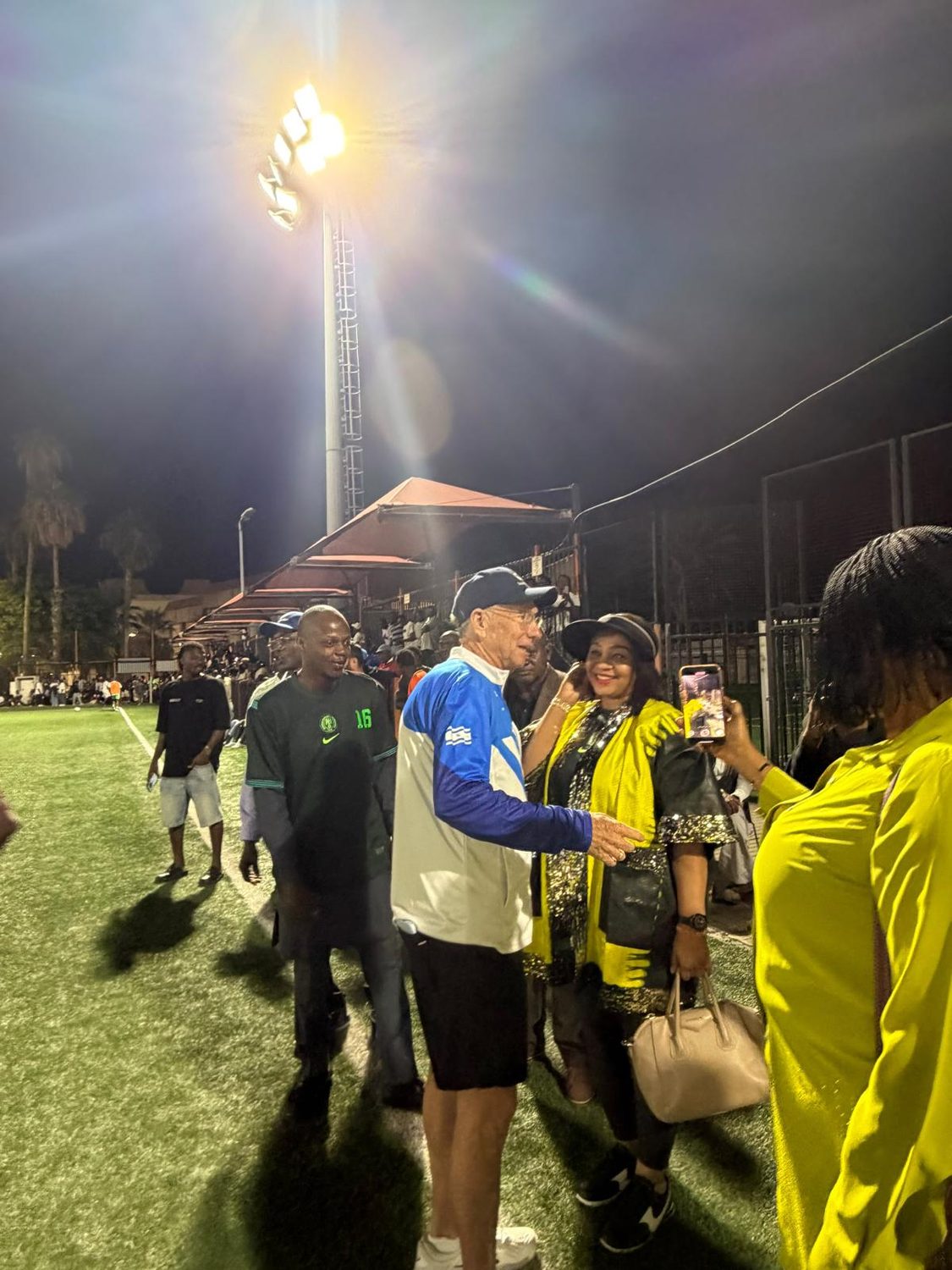
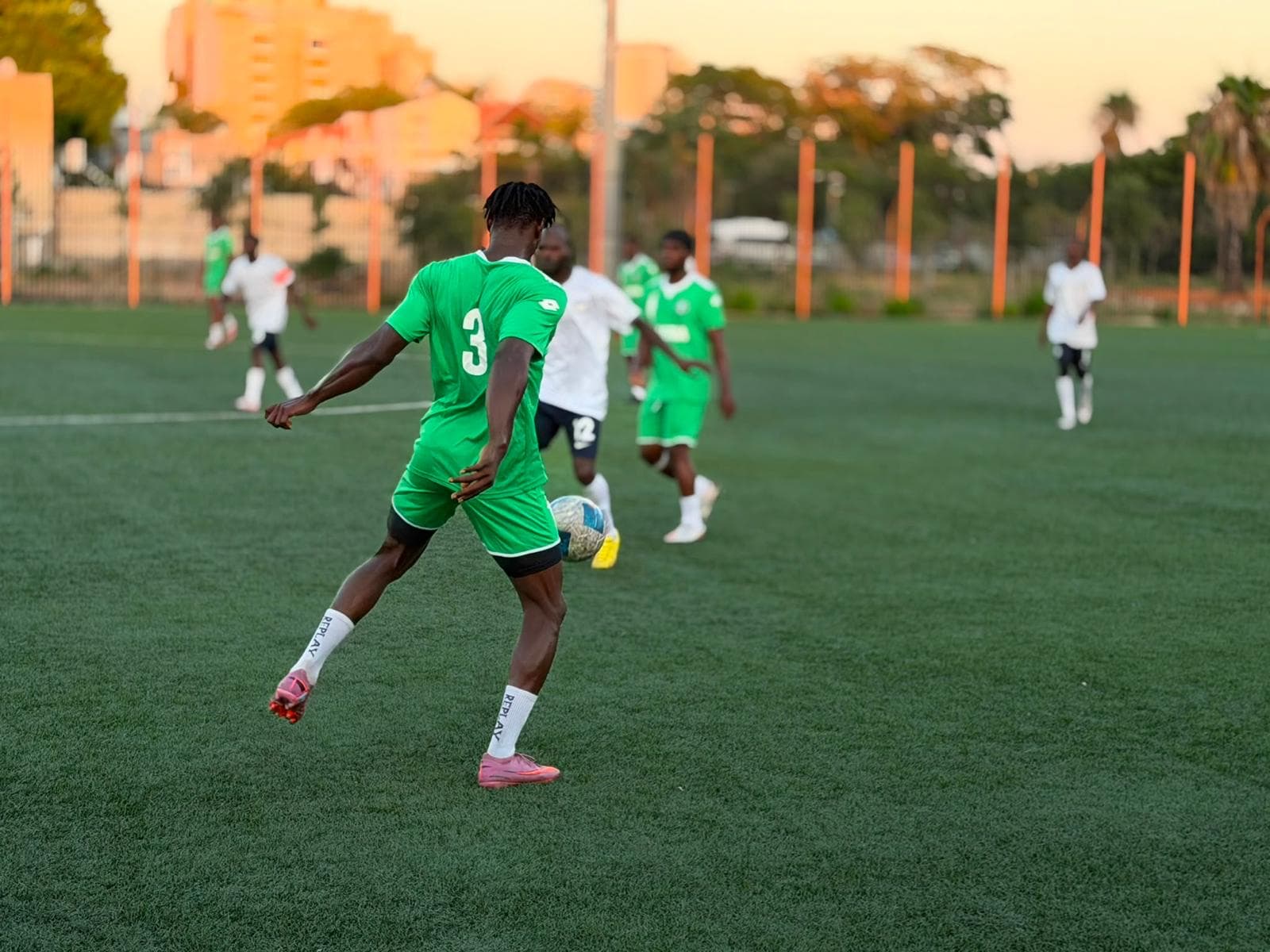
In the autumn of 2026, that support had a stage. Through September and October, eight teams drawn from Israel’s African communities, migrant workers, asylum seekers and refugees, played two groups of matches for the first Tel Aviv African Solidarity Cup, on the floodlit pitch at Beit Danny in the Hatikva neighbourhood of south Tel Aviv.
The tournament was organised by a group of Sudanese asylum seekers led by Mohanad Abdelmoneim, who had earlier founded a Sudan national team in Israel and, in doing so, inspired the others to field sides of their own. Ivory Coast, Nigeria, Kenya, South Sudan, Sudan, Uganda, Cameroon and Tanzania all took part. Sudan drew the biggest crowds, with hundreds lining the fences on match nights.
On the final Saturday night, 17 October, Ivory Coast beat Nigeria 3-2, scoring the winner in the closing minutes, after edging Sudan 5-1 in the semi-final.
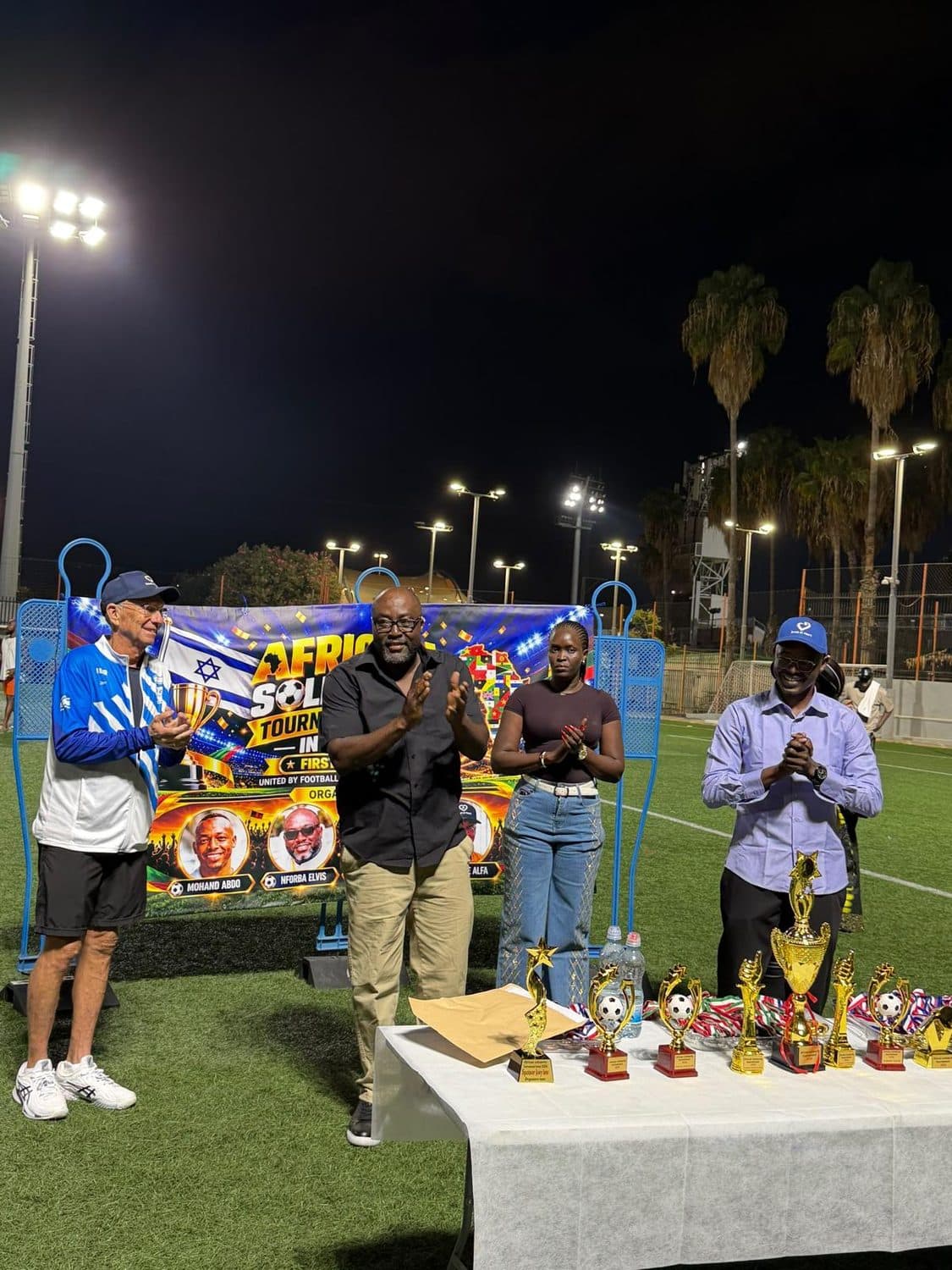
Joey Low, the founder of Israel at Heart and a longtime supporter of Israel’s African community, backed the tournament and helped present the trophies alongside Nigeria’s ambassador to Israel, Nkechi Ufochukwu.
“Sport connects people to people, and people to a place, and football is an integral part of Nigerian identity and culture.”