Ambassador Stories
In conversation with Black America
In 2006, and again in 2011, Israel at Heart brought Ethiopian-Israeli lawyers, students, and graduates across the United States to speak with African American audiences, about race, identity, and belonging, and as professionals and future leaders rather than a story of hardship.
By Batia Eyob-Serrette
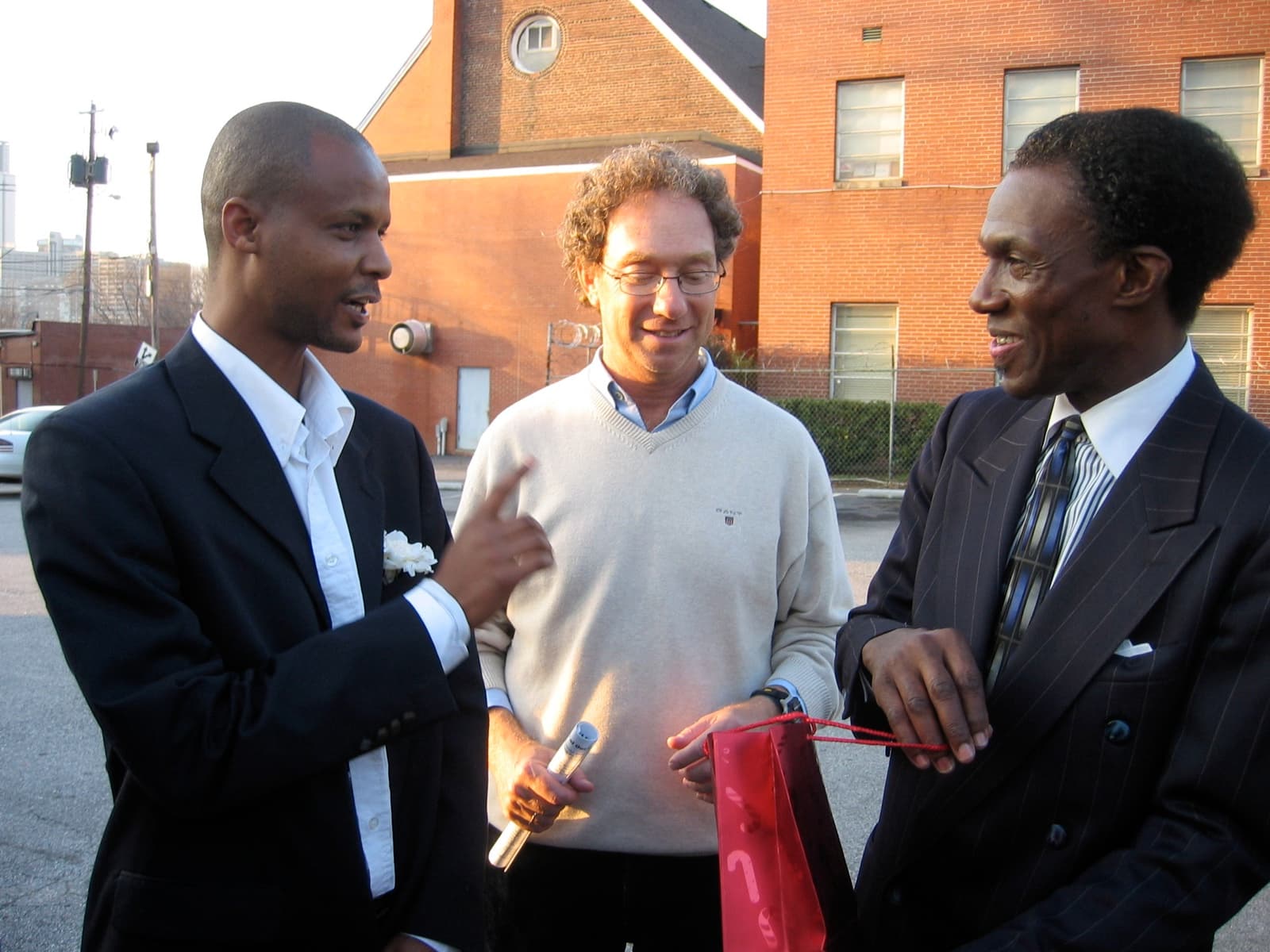
Photo: Batia Eyob-Serrette
In 2006, Israel at Heart organized a delegation of Ethiopian-Israeli lawyers and law students to the United States. The group spoke primarily with African American audiences.
The choice of audience was intentional. The conversations addressed racism, discrimination, immigration, integration, identity, and belonging, questions that resonated differently, but meaningfully, across both communities.
Ethiopian-Israeli participants could describe Israeli society from within, including its opportunities, contradictions, and unfinished work. African American participants brought their own histories and experiences to the exchange. The result was not a simple comparison between two communities. It was an opening for honest questions, shared learning, and relationships based on more than institutional talking points.
The delegation also presented Ethiopian Israelis as legal professionals and future leaders.
“They appeared before audiences through their expertise and lived experience, not through a narrative defined solely by hardship.”
This approach became an important part of Israel at Heart's work: create the platform, prepare participants to use it, and then allow people to speak for themselves.
Preparing students for difficult rooms
In 2010, Israel at Heart began recruiting Ethiopian-Israeli students and graduates for another major United States delegation.
The invitation described the purpose clearly: to introduce the young professional leadership of the Ethiopian-Israeli community, challenge stereotypes about Israel and the community, and create possibilities for mentorship, internships, investment, and long-term relationships.
The selection process was demanding. Participants needed to be confident and articulate, knowledgeable about Israel and their community, comfortable speaking English, and capable of engaging difficult questions without becoming defensive or hostile. They needed to manage a heavy travel and speaking schedule while missing classes and, in some cases, examinations.
The students were being asked to do more than deliver a presentation. They had to enter unfamiliar spaces, listen carefully, answer honestly, and represent themselves before audiences with very different levels of knowledge and very different views of Israel.
Their preparation reflected Israel at Heart's understanding of leadership: confidence grounded in knowledge, openness without passivity, and the ability to remain in conversation when the subject became difficult.
The 2011 Ethiopian-Israeli delegation
From February 27 through March 13, 2011, Ethiopian-Israeli university students and graduates traveled in small groups across the United States.
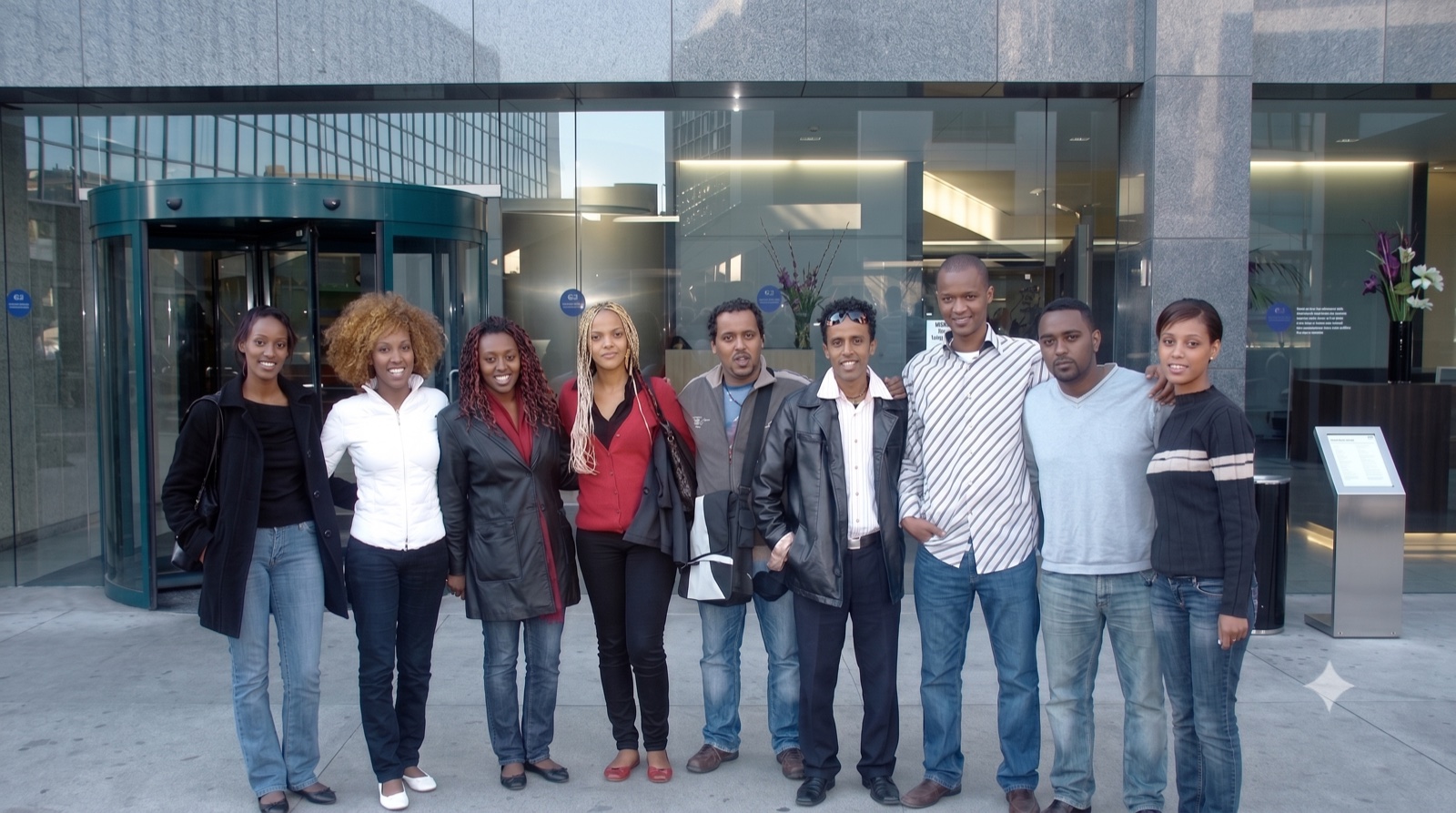
The surviving schedules document an extraordinary two weeks. Groups traveled through New York and New England; Washington, D.C., Maryland, and Virginia; North Carolina, South Carolina, Georgia, and Florida; and several cities in Texas.
Their university itinerary included Yale, Harvard, MIT, Brandeis, Tufts, Brown, Smith, Mount Holyoke, Amherst, Northeastern, Howard, George Washington, George Mason, Duke, the University of North Carolina, the University of Georgia, Savannah State, Georgia Southern, the University of North Florida, the University of Texas, and the University of North Texas.
At Yale, Jewish and Black students held a joint program. At the University of Connecticut, the event took place through the African American Cultural Center. At MIT, Harvard, Northeastern, and other campuses, the delegates met student groups organized around Israel, law, Jewish life, African identity, and Black student leadership.
At Emerson College, a program co-sponsored by a feminist alliance created space to discuss women's experiences in Israel. At Northeastern, Black and Jewish law students came together. At Howard University, the delegates met university leadership, Ethiopian community members, African and African American studies students, the African Students Association, and the School of Divinity.
The delegation's reach extended far beyond universities. Participants spoke in public and Jewish high schools, churches, synagogues, youth programs, community federations, and professional organizations. They met African American, Ethiopian, Jewish, Christian, academic, civic, and political audiences.
In Washington, the students joined an Ethiopian community dinner held during Black History Month. They met representatives of foundations, embassies, advocacy organizations, and congressional offices. In the South, they visited the Martin Luther King Jr. Center in Atlanta and spoke at Black churches, Jewish institutions, historically Black colleges, and public schools. In Texas, they addressed university classes, Jewish community programs, a Black studies program, leadership students, and high-school audiences.
The schedules were intense. Some days began in a high school and ended at a university or synagogue hours away. The students traveled by car and plane, stayed with host families and campus communities, shared meals with the people they addressed, and prepared repeatedly for new audiences.
The format made the encounter personal. Participants did not arrive for a single speech and disappear. They lived for two weeks inside a network of homes, campuses, congregations, and communities.
What they spoke about
The students answered questions about every aspect of life in Israel: education, religion, military service, politics, food, music, television, immigration, race, discrimination, family life, hobbies, and their hopes for the future.
They also discussed the Ethiopian-Israeli experience directly. Audiences wanted to understand the history of Ethiopian Jewish immigration, the process of integration, the persistence of racism, and the meaning of being both Ethiopian and Israeli.
“The delegates did not offer one answer, because there was no single experience.”
They brought different backgrounds, fields of study, ambitions, and perspectives. Their authority came from speaking honestly about their own lives while remaining knowledgeable about the larger social and political context.
For many audiences, these encounters disrupted a narrow image of Ethiopian Israelis as a disadvantaged immigrant population. They met university students, lawyers, graduates, public speakers, future diplomats, educators, business professionals, and community advocates.
For the delegates, the tour required leadership in real time. They learned how to communicate across cultural differences, respond to skepticism, explain complexity without reducing it, and recognize points of connection with people whose histories were different from their own.